Sustainable Tourism: How Your Safari Protects Kenya's Wildlife
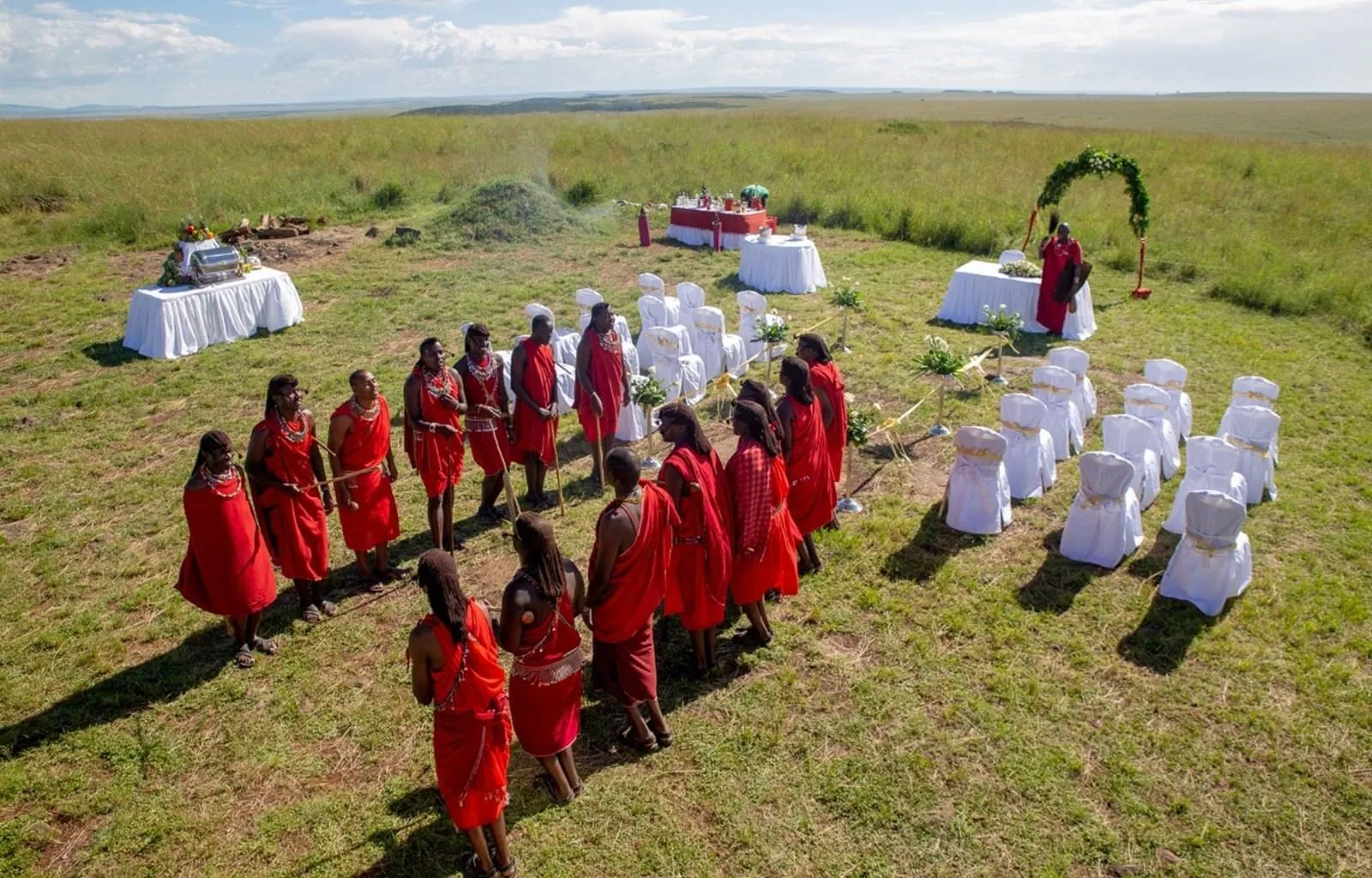
When you book a safari with Wizack Tours, you're doing more than creating memories. You're directly funding wildlife conservation, supporting community development, and protecting Kenya's natural heritage for future generations. Here's how sustainable tourism transforms conservation in Kenya.
The Economics of Conservation
A single lion in a tourism area generates approximately $27,000 USD annually in tourism revenue. Outside protected areas, that same lion is valued at $1,000—dead. Tourism gives wildlife economic value that competes with alternative land uses.
Kenya's wildlife tourism generates over $1 billion USD annually and supports nearly 1 million jobs.
The Conservancy Model
Kenya's most significant conservation innovation is the wildlife conservancy. These are community-owned lands leased from Maasai and other pastoralist landowners, set aside exclusively for wildlife conservation and low-impact tourism.
By The Numbers
- Maasai Mara Conservancies: 15+
- Total Hectares Protected: 450,000+
- Landowners Benefiting: 20,000+
- Annual Lease Payments: $10M+
Your Impact
When you stay in a conservancy, approximately 40% of your bed night fees goes directly to community landowners. A 3-night stay for two people funds one family's annual land lease payment.
Community Development
Tourism revenue funds schools, healthcare facilities, clean water projects, and women's enterprises. The Naboisho Conservancy alone has built 7 primary schools and provides scholarships for 200+ secondary students annually.
We contribute 5% of our annual profits directly to conservation and community projects. We've funded:
- • Mara Predator Project research
- • Water wells in Olare Motorogi
- • Guide training scholarships
- • Anti-poaching units in Tsavo
Share This Safari Story
Dr. Sarah Kimani
Conservation Director
Dr. Kimani holds a PhD in Wildlife Conservation from University of Nairobi and has spent 20 years developing community-based conservation programs across Kenya. She advises multiple conservancies and tourism organizations.
Safari Stories Newsletter
Get expert travel guides, wildlife updates, and exclusive offers delivered to your inbox.
We respect your privacy. Unsubscribe at any time.